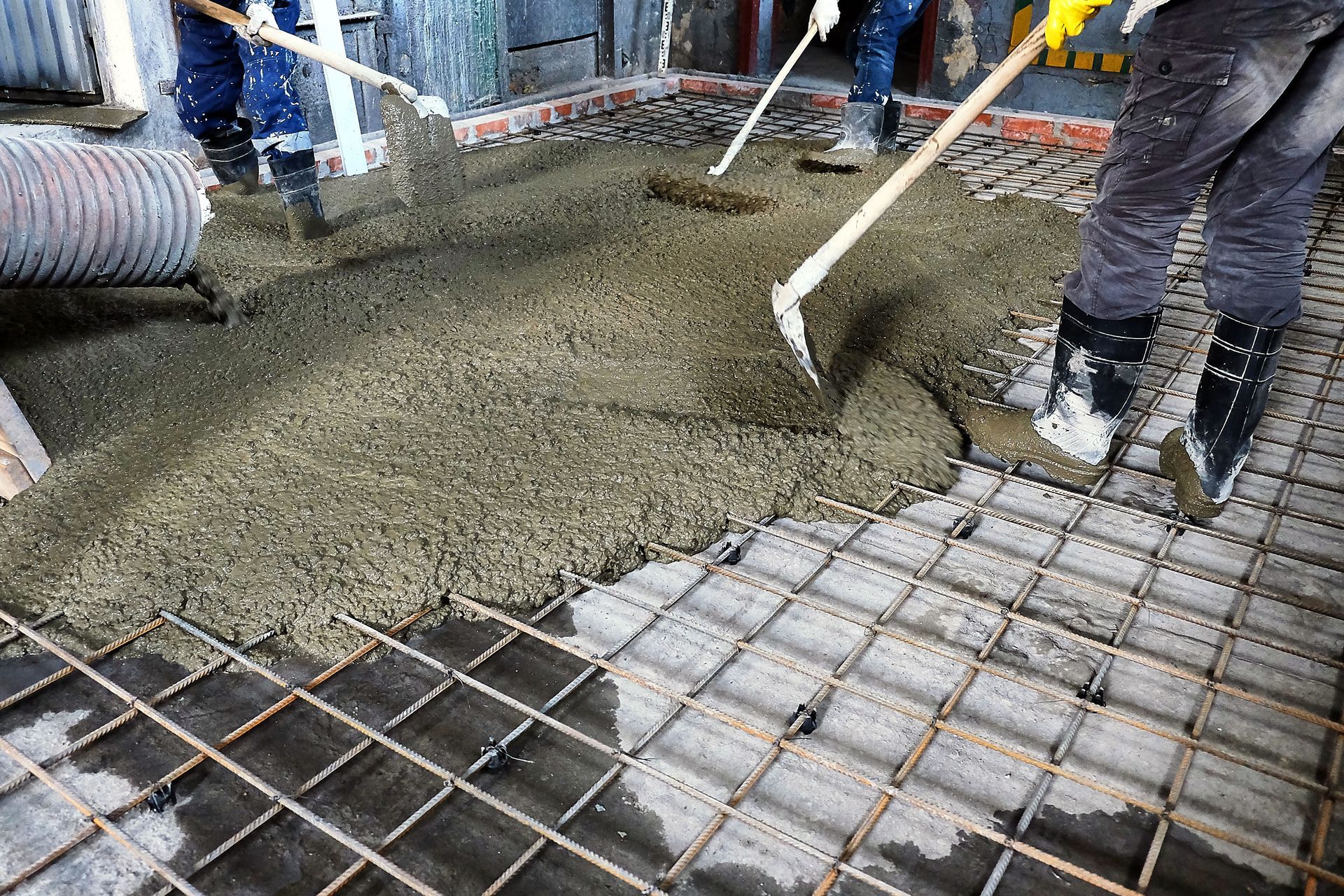

Transform your workplace with a modern office buildout. Explore hybrid layouts, smart tech, acoustic privacy, and sustainable design that boost productivity.
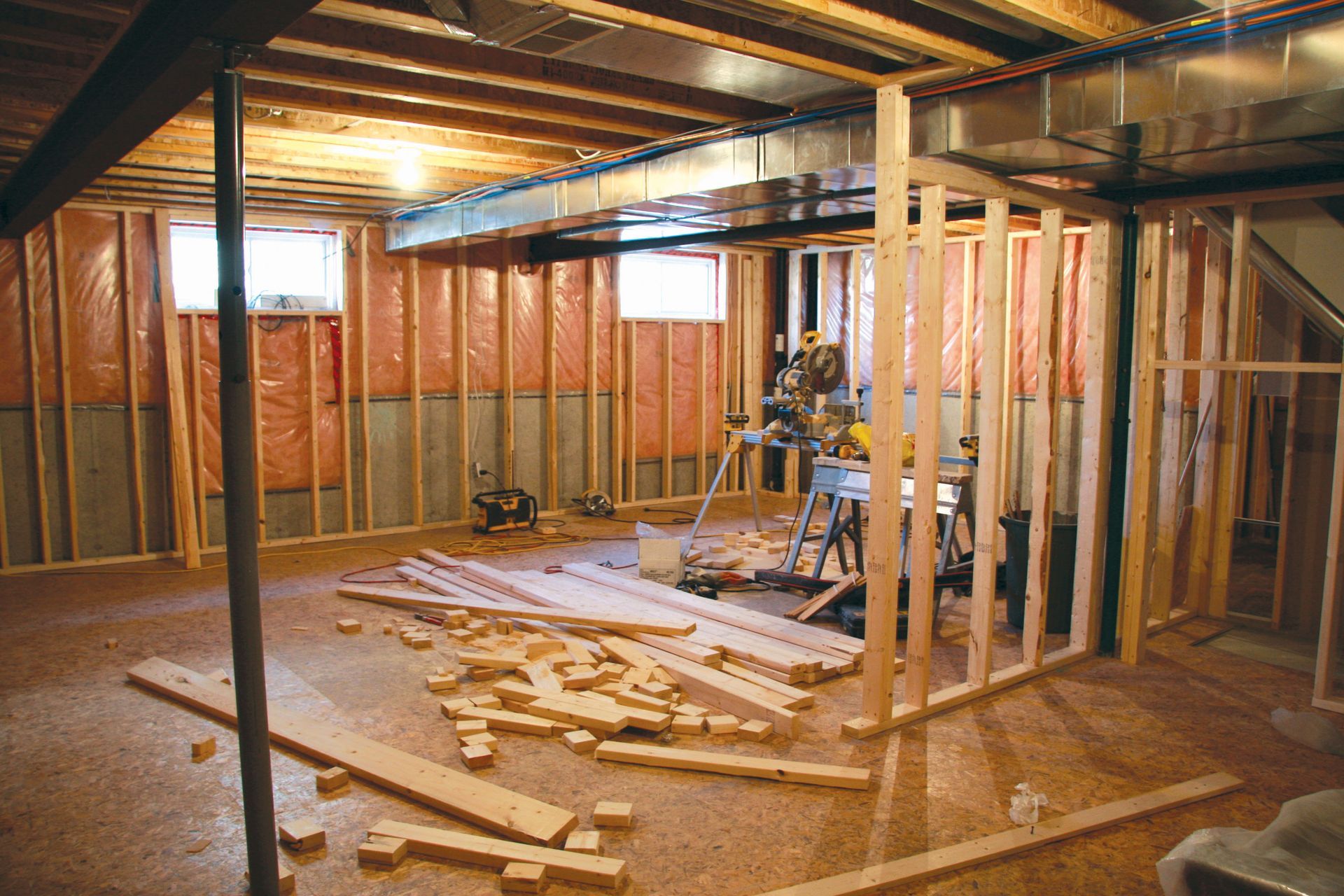
The housing industry continues to evolve as homeowners seek properties that reflect their preferences, lifestyles, and long-term goals. Rather than settling for existing floor plans or standardized features, many buyers are exploring personalized construction. This approach offers greater control over architectural details, interior layouts, materials, and everyday functionality. According to Hardware Retailing, custom homebuilding now accounts for nearly 20% of total single-family housing starts. This statistic highlights the significant role personalized construction plays in today's housing market. At Hammond Construction Co., we understand that building a home is one of the most important investments a homeowner can make. Our goal is to help clients navigate construction while creating comfortable, functional living spaces. Understanding the benefits, challenges, and emerging trends associated with custom homes can help homeowners make informed decisions about their future. Understanding the Custom Home Construction Process Planning Your Home Construction Project Every successful construction project begins with planning. Before construction starts, homeowners must consider their preferred location, budget, architectural style, and household requirements. These decisions establish the foundation for the project. At Hammond Construction Co., we recognize the importance of understanding each client's expectations. Professional planning helps identify challenges, establish realistic objectives, and ensure the finished property reflects the homeowner's vision. Choosing Your Professional Home Builder Selecting an experienced construction company is essential for achieving reliable results. Homeowners should evaluate a builder's experience, completed projects, communication practices, and approach to construction management. A qualified builder coordinates construction professionals, manages schedules, and oversees workmanship. Clear communication helps homeowners understand progress, address concerns, and make important decisions confidently. Establishing Your Construction Budget Budget management plays a central role in residential construction. Expenses may include land preparation, architectural plans, building materials, labor, permits, and finishing details. Professional builders help clients understand anticipated expenses and identify adjustments before construction begins. Establishing a realistic budget, including allowances for unexpected costs, supports a more organized building experience. Exploring the Benefits of Personalized Home Construction Creating Personalized Living Spaces One of the greatest advantages of custom homes is the opportunity to design spaces around individual preferences. Homeowners can select architectural features, room configurations, finishes, and storage solutions that complement their lifestyles. At Hammond Construction Co., we believe custom homes should combine personalized design, quality craftsmanship, and practical features to create comfortable living spaces that meet each homeowner's unique needs. For example, families may prioritize spacious kitchens, dedicated offices, additional bedrooms, or entertainment areas. These choices allow the finished property to accommodate everyday routines rather than requiring residents to adapt to an existing layout. Improving Everyday Comfort and Functionality A thoughtfully designed home supports immediate needs and future changes. Open living areas, accessible entrances, flexible rooms, and convenient storage can improve daily comfort. Homeowners planning for expanding families or multigenerational living may benefit from adaptable floor plans. By considering these requirements during construction, builders can create environments that remain useful throughout different stages of life. Supporting Energy Efficiency and Sustainability Modern construction offers opportunities to improve energy performance. Quality insulation, efficient windows, advanced heating and cooling systems, and carefully selected building materials can help reduce unnecessary energy consumption. When planning custom homes, homeowners can discuss energy-efficient features with their builders before construction begins. Integrating these systems into the original design often provides a more coordinated approach than making extensive modifications later. Discovering Modern Home Design Trends Incorporating Flexible Floor Plans Flexible layouts remain attractive for homeowners seeking versatile living environments. Open kitchens, connected gathering spaces, and multipurpose rooms can accommodate entertaining, working, and relaxing. However, an effective layout should balance openness with privacy. Professional designers and builders can help determine where separate rooms, quiet spaces, and defined living areas provide additional comfort. Integrating Smart Home Technology Technology continues to influence residential construction. Smart thermostats, automated lighting, security systems, and connected appliances offer homeowners convenient ways to manage their properties. Incorporating these features during construction allows electrical systems, wiring, and equipment locations to be considered early. This preparation can support cleaner installation and reduce future modifications. Expanding Outdoor Living Areas Outdoor spaces are increasingly viewed as extensions of the home. Covered patios, outdoor kitchens, decks, and comfortable seating areas provide additional opportunities for relaxation and entertaining. When designing custom homes, outdoor features can be coordinated with the property's architecture and surrounding landscape. Thoughtful placement helps create a natural transition between interior and exterior spaces while supporting the homeowner's intended use. Accommodating Multigenerational Households Families with multiple generations living together often require additional privacy and flexibility. Separate bedrooms, accessible bathrooms, secondary living areas, and convenient entrances can support these arrangements. Professional construction planning helps ensure these features work together effectively. The result can be a comfortable environment that accommodates different household members without sacrificing shared gathering spaces. Addressing Common Home Construction Challenges Managing Construction Costs Personalized construction offers flexibility, but additional selections and design changes can influence expenses. Premium materials, specialized features, and unexpected site conditions may increase project costs. Working with an experienced builder helps homeowners understand how decisions affect their budget. Consistent communication and documented approvals can reduce confusion surrounding project expenses. Coordinating Construction Schedules Residential construction involves numerous professionals, suppliers, and inspection requirements. Weather conditions, material availability, and scheduling conflicts may occasionally affect progress. Professional project management helps coordinate responsibilities and address challenges as they arise. Although no construction timeline is immune to delays, careful organization supports efficient progress and realistic expectations. Meeting Building Codes and Regulations Every residential construction project must comply with applicable building codes, zoning requirements, and permitting procedures. These regulations help establish standards for structural integrity, safety, and property development. Experienced construction professionals understand the importance of coordinating inspections and meeting local requirements. Proper oversight helps prevent complications while supporting the long-term safety of the completed home. Selecting Suitable Building Locations The location of a new home influences accessibility, design possibilities, and construction requirements. Property dimensions, drainage conditions, utility connections, and local restrictions can affect development. Before construction begins, professional evaluations help determine whether a proposed design is appropriate for the selected property. Addressing these considerations early can prevent costly adjustments later. Understanding the Future of Residential Construction Advancing Construction Technology Technology is improving how builders plan and manage residential projects. Digital drawings, three-dimensional modeling, and construction management software support communication between homeowners and construction teams. These tools help clients visualize layouts, review proposed features, and understand design decisions before work begins. Improved coordination helps professionals identify potential conflicts earlier in the process. Improving Building Materials Advancements in construction materials continue to expand residential design possibilities. Modern insulation products, engineered structural components, and durable exterior finishes can contribute to improved performance and longevity. Material selection should consider climate, maintenance requirements, architectural preferences, and budget. Professional builders can explain available options and recommend products suited to the property's needs. Prioritizing Long-Term Adaptability Homeowners increasingly recognize the importance of designing spaces that accommodate changing circumstances. Flexible rooms, accessible features, and practical storage solutions can make future transitions easier. The adaptability of custom homes is particularly valuable for families anticipating lifestyle changes. Considering these possibilities during initial planning helps create spaces that remain comfortable and functional for years. Balancing Design and Practicality A successful residential project combines visual appeal with everyday usefulness. Attractive finishes and distinctive architectural features should complement efficient layouts, durable materials, and appropriate maintenance requirements. At Hammond Construction Co., we believe thoughtful construction requires attention to appearance and functionality. A carefully coordinated project helps homeowners enjoy a property that supports their preferences without overlooking practical considerations. Building Your Future With Hammond Construction Co. Choosing personalized construction allows homeowners to create living environments that reflect their priorities while incorporating modern features and practical design solutions. From initial planning and budgeting to material selection and project coordination, professional guidance plays an important role in achieving a successful outcome. As interest in custom homes continues, selecting a dependable construction partner remains essential. Experienced professionals help homeowners understand their options, manage expectations, and navigate the complexities of residential building. At Hammond Construction Co., we value quality workmanship, thoughtful planning, and clear communication. Whether you're considering your first newly constructed property or exploring a more personalized living space, our team is ready to discuss your goals. Contact Hammond Construction Co. today to learn more about bringing your vision for a new home to life.
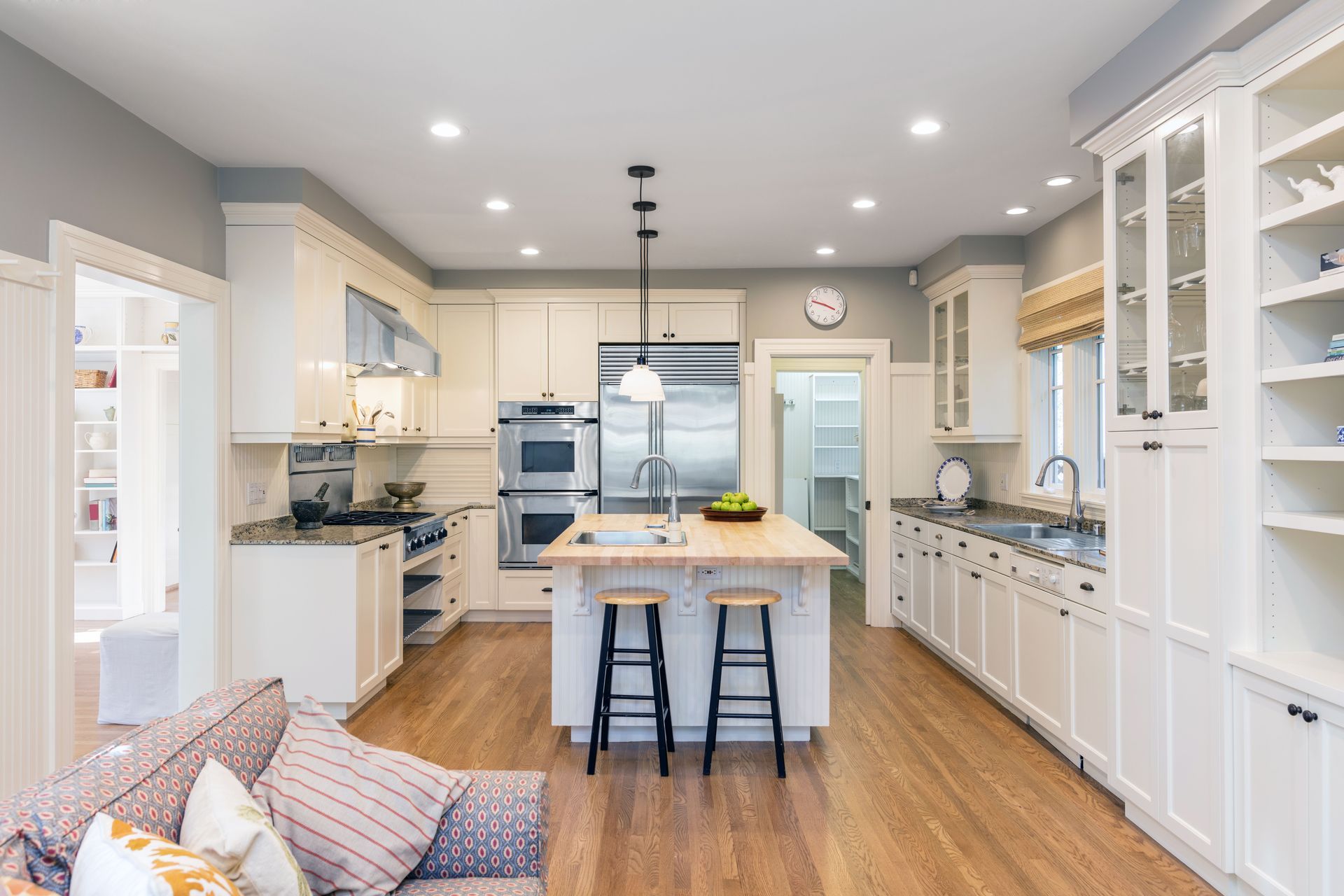
Improving your residential property is a significant undertaking requiring incredibly careful execution of highly skilled home builders.